
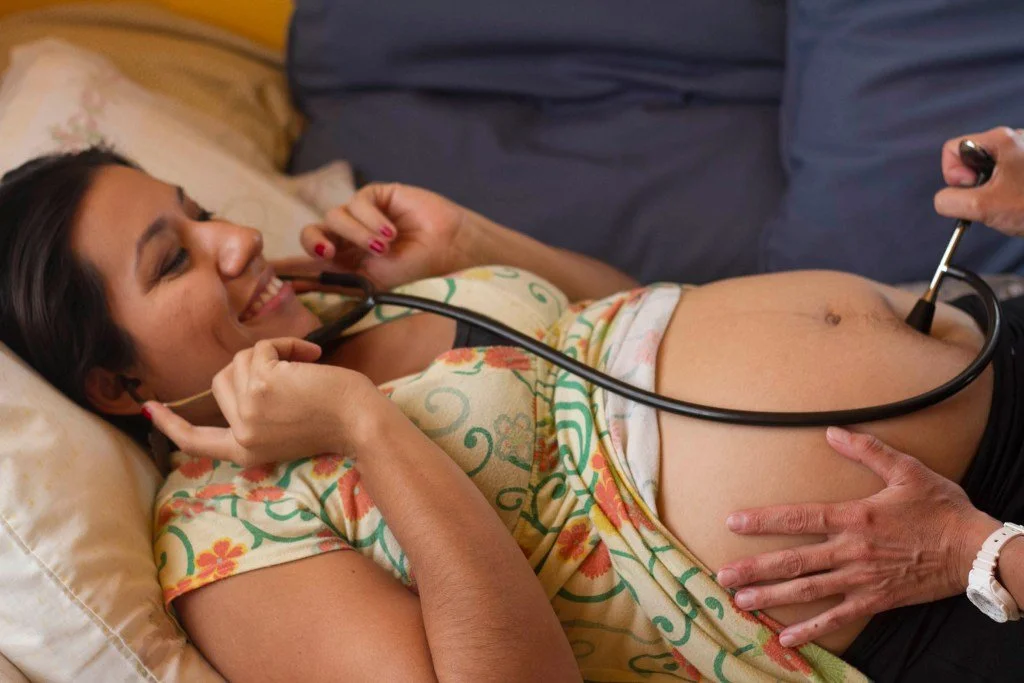
Advancing Safe & Respectful Midwifery Care Worldwide
GoodBirth is a global network of midwifery centers, midwifery center specialists, healthcare professionals, educators, and advocates working together to strengthen maternal healthcare systems by supporting midwifery centers through education, accreditation, and data collection.
Who We Are
A Global Community Strengthening Midwifery Care
Goodbirth Network was founded in 2015 through partnerships with midwifery centers in Haiti. Early collaboration revealed a system in which midwifery centers were working in isolation, often duplicating efforts without opportunities for shared learning or coordinated problem-solving.
By connecting centers, we saw the value in peer support, collective learning, and shared solutions to common challenges.
What began as a small effort to build connection evolved into an online global community and open-access resource platform for midwifery centers in low-resource settings.
As interest grew beyond Haiti, annual gatherings and sharing expanded into a broader international network.
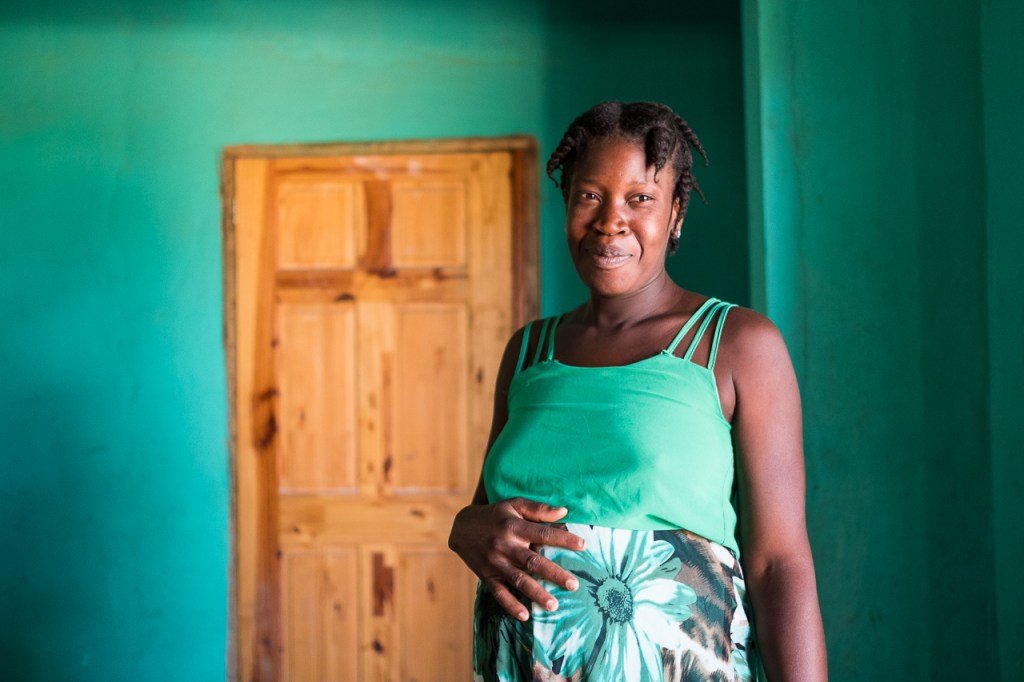

Network Partners

Midwifery center network
Global map of midwifery centers members and other centers identified across continents.

Our Mission
Strengthening and standardizing midwifery centers through accreditation, quality improvement, and capacity strengthening.

Our Vision
A world where high-quality midwifery centers, integrated into healthcare systems, are accessible to all communities.
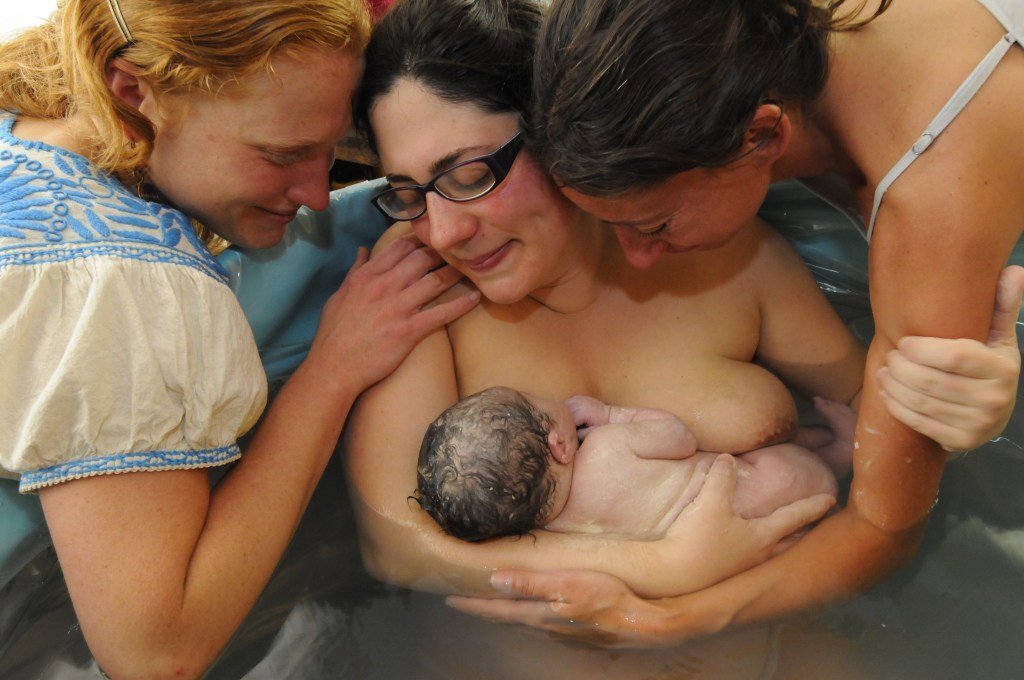
What is a Midwifery Center?
A midwifery center (MC) is a health care facility that provides sexual and reproductive health for women, using the midwifery philosophy and model of care.
This home-like shared space ensures basic emergency maternal and neonatal care for all births.
A midwifery center is integrated within the health care system aligning the level of care provided for the optimal outcome, while remaining responsive to needs of its community.
The midwifery model of care is recommended by the World Health Organization to reduce preventable maternal and neonatal deaths and morbidity, to improve outcomes and patient experiences.
The midwifery model of care is an approach to care that supports normal physiological processes while providing skilled, respectful, and individualized care.
At its core, it views pregnancy and birth as normal life events—not primarily medical conditions—while ensuring that complications are recognized early and managed appropriately. Its focus is on the woman and her values with a rights-based, person-focused care.
The midwifery model of care differs from the medical model in its foundational approach to pregnancy and birth. While the medical model is designed to manage risk and treat complications, the midwifery model focuses on supporting normal physiological processes with education, risk assessment and support. It emphasizes partnership with women, selective use of interventions, and a holistic view of health.
These models are complementary: midwifery-led care is highly effective for normal pregnancies and births, while the medical model is essential for managing higher risk care. Together, they form the basis of a high-quality, integrated maternal health system.
Midwifery centers and midwifery model of care
Midwifery centers play a critical role in enabling the full expression of the midwifery model of care. The midwifery center is a midwives’ place of practice. The physical space reflects a home like environment, reflecting birth as normal and shared power in decision making. The midwife focuses on education, screening and tools to support a normal birth experience, while staying vigilant for complications that may require a referral.
By providing an environment that prioritizes continuity, autonomy, evidenced-based care and appropriate use of interventions, midwifery centers allow midwives to deliver high-quality midwifery model of care for normal birth, while maintaining clear pathways for referral when needed.
In contrast, hospital-based care can provide physiological care, but are essential and built for managing complexity and emergencies.
Strong health systems integrate both approaches—ensuring that women receive the right care, in the right setting, at the right time.
The Midwifery Model of Care
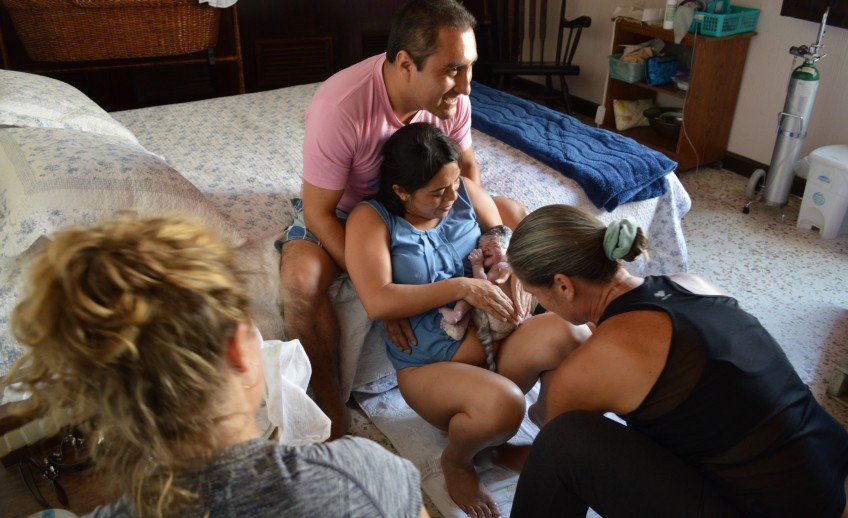
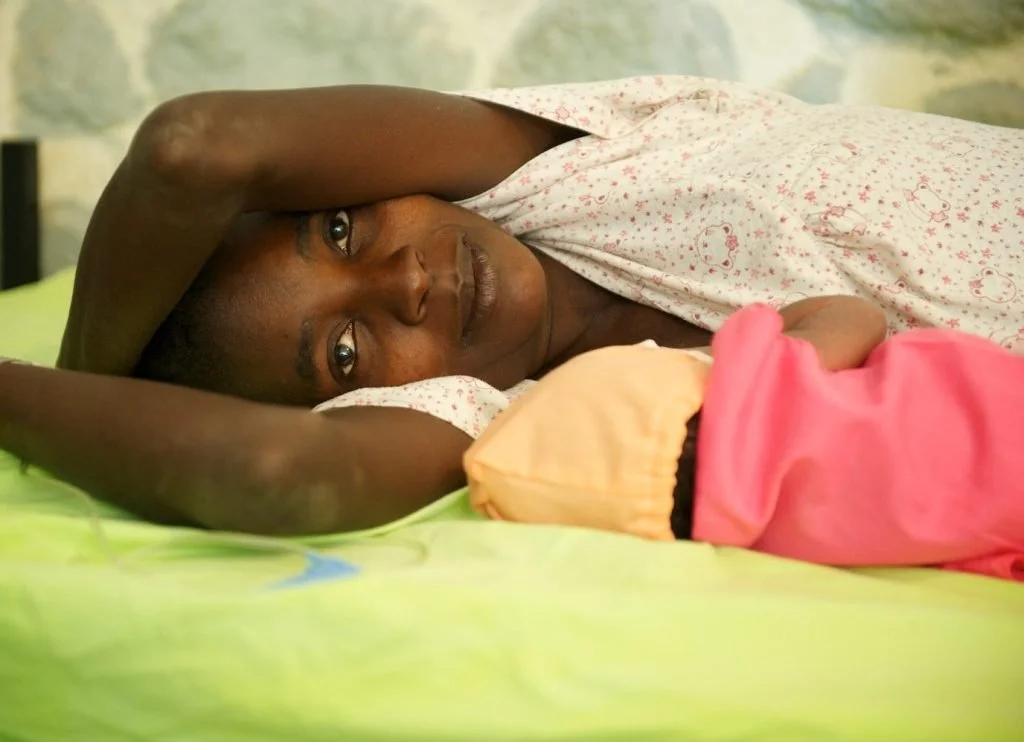
Midwifery centers provide:

Respectful, Compassionate Care

Lower Intervention
Rates

Right Sized care

Community
based care

Evidence-Based
Practices
What We Do
Advocacy & Education
GoodBirth strengthens maternal healthcare systems through education on operational standards, quality improvement initiatives, and emergency preparedness specifically for midwifery centers.
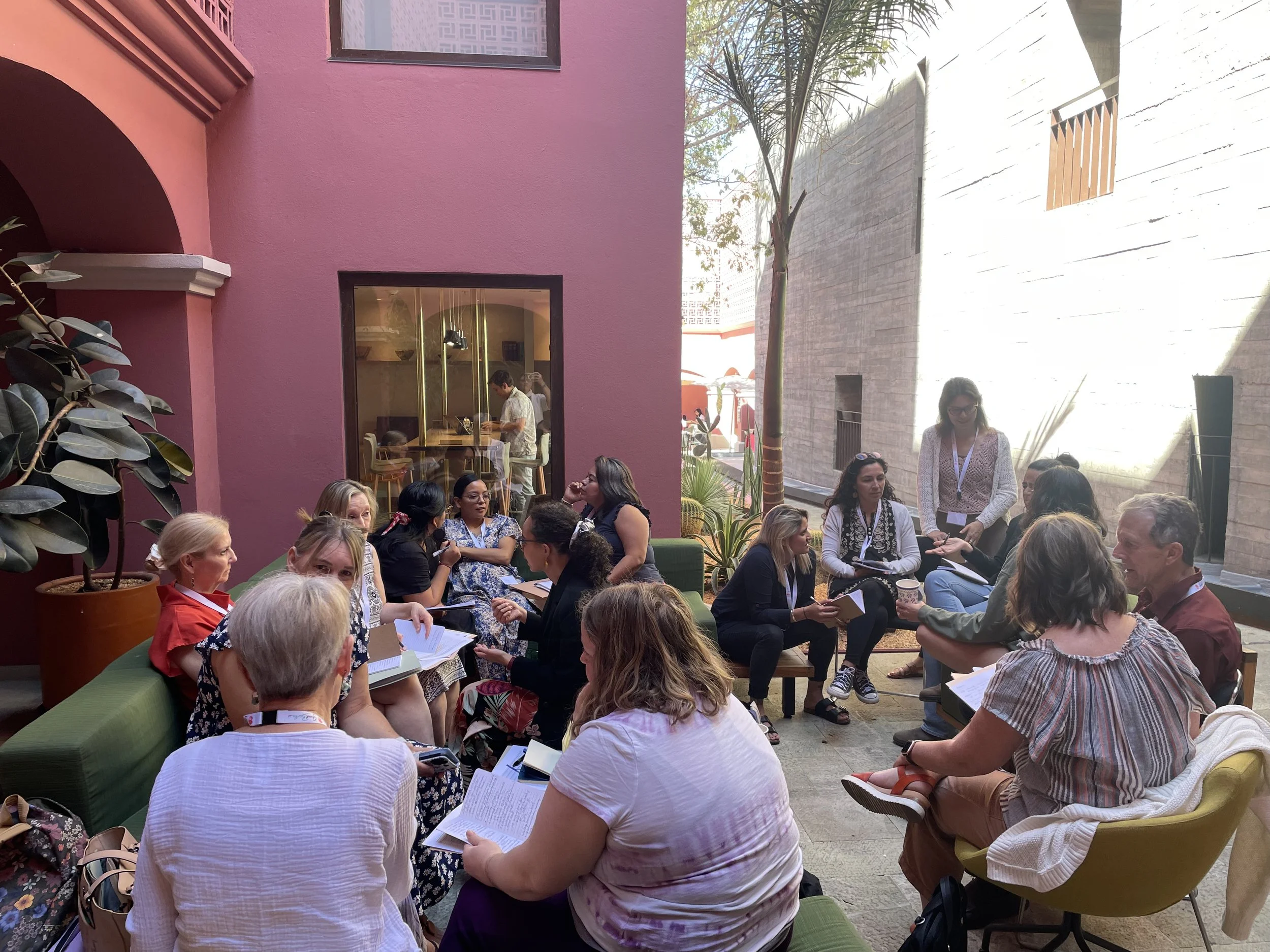
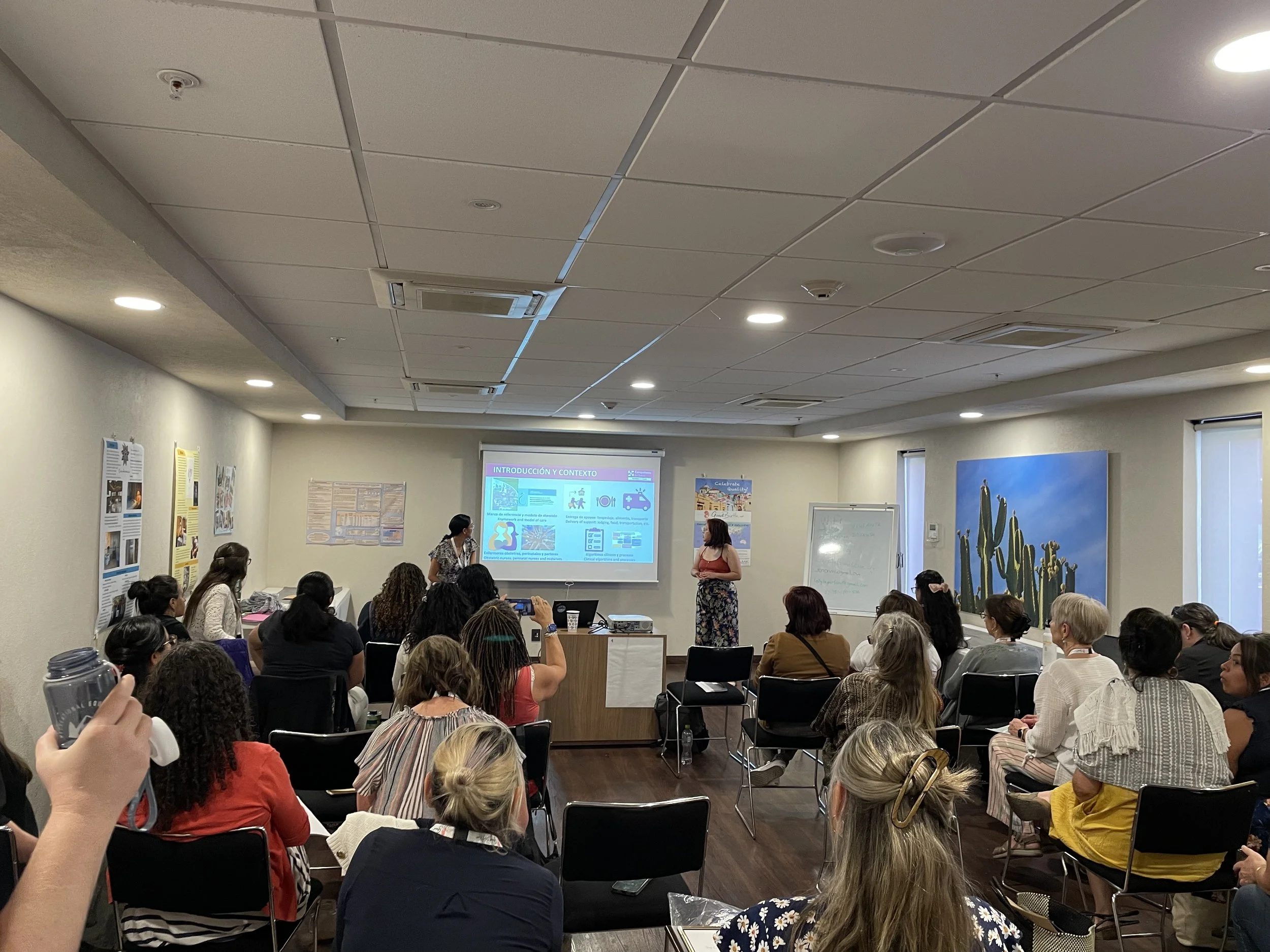
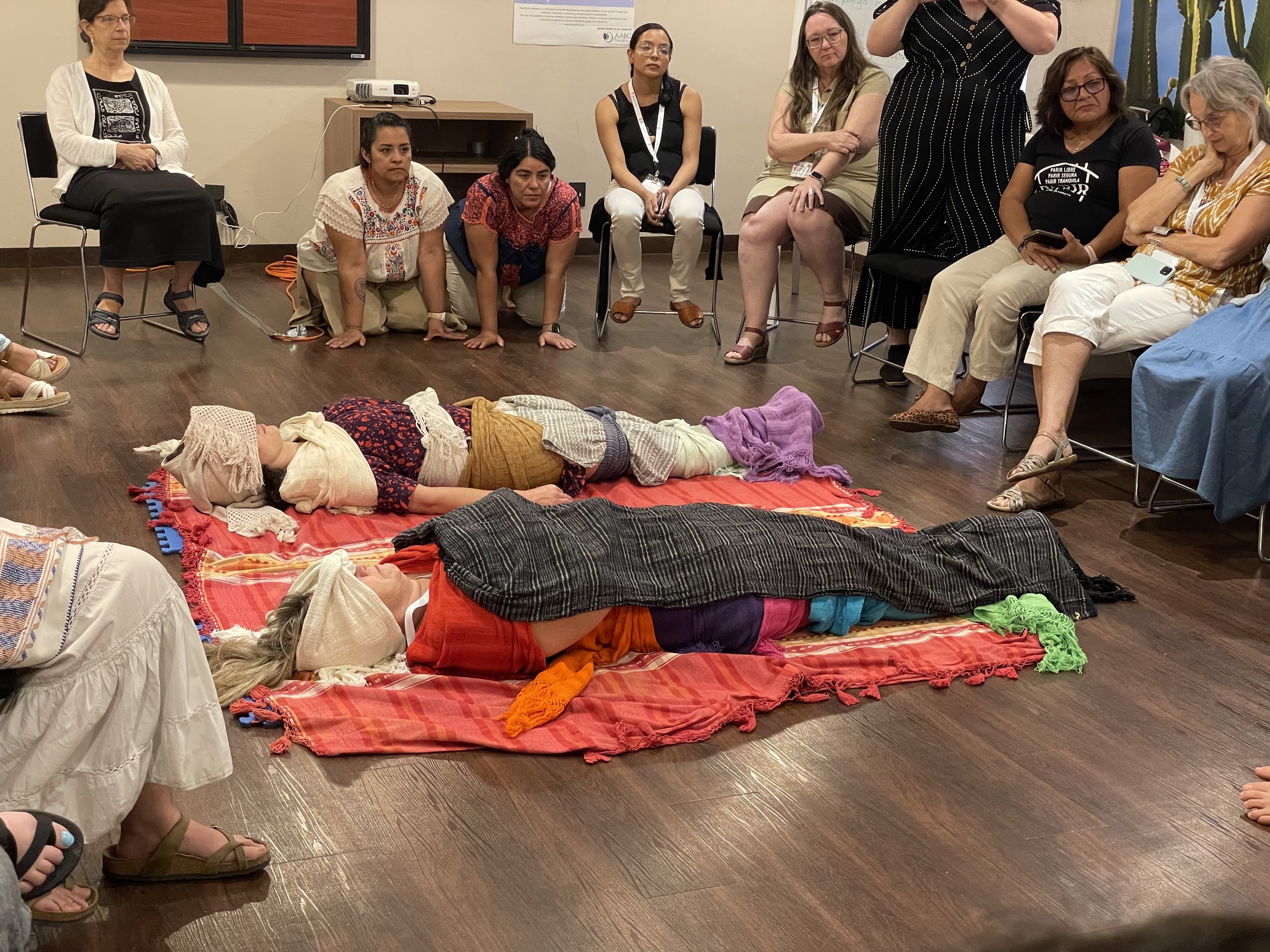
Periodic conferences are held - both at the invitation of midwifery centers in our network and planned. We provide education, training and networking for clinical and administrative issues unique to midwifery centers
GoodBirth advocates for the expansion and recognition of midwifery centers as midwifery-led models of care through this education- inviting ministry and other partners to join in learning and sharing to strengthen health systems.
Quality Standards
Developing and implementing accreditation processes to ensure consistent, high-quality care in midwifery centers. Strengthening data systems, and quality improvement initiatives for continuous quality improvement.
Visit our media page for- Newsletters, Books & Publications, Stories & Videos, & Free Resources.
Global Network
Midwifery Centers Around the World
GoodBirth supports and collaborates with birth centers across multiple continents, strengthening maternal healthcare systems through shared learning, accreditation, and community partnership.
The interactive map highlights:
Accredited Centers
Partner Organizations
Centers in Progress
Educational Collaborators
Join & Support GoodBirth
Do you own or want to open a midwifery center? Become part of a growing international network of midwifery centers
THANK YOU!
Your support strengthens maternal healthcare systems, and midwifery-led care globally.
Are you an organization interested in supporting midwifery centers? Join now and collaborate in GoodBirth initiatives.
Basic resources and maternal healthcare tools for all members. Additional resources available for accreditation members only.